«Sono tempi per la storia del mondo particolarmente bui, e sembra che da questo buio escano tutte queste fotografie». Marco Delogu, presidente di Palaexpo, presenta così la 69ª edizione del World Press Photo, inaugurata oggi al Palazzo delle Esposizioni di Roma e dal 7 maggio al 29 giugno 2026 aperta ai visitatori. Quella di Delogu non è retorica.
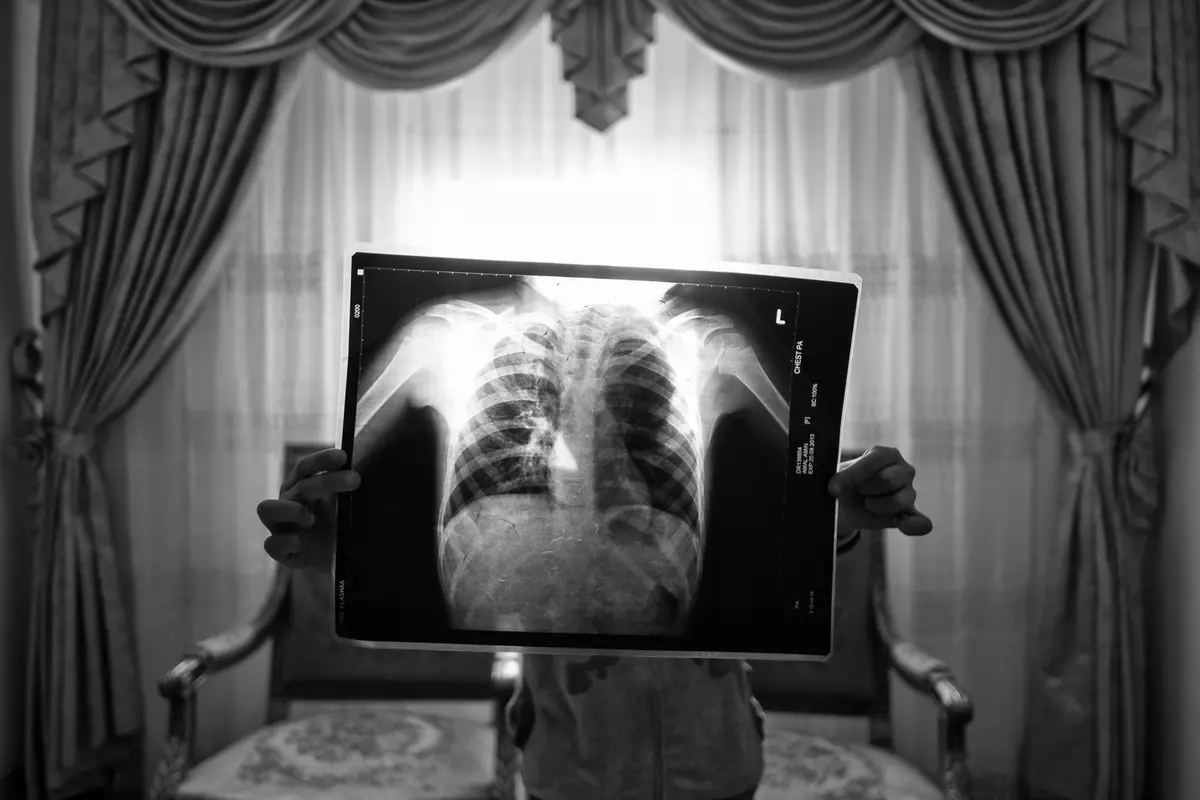
Title: Moon Dust Credit: © Mohamed Mahdy, Arab Documentary Photography Program Caption: Amal holds an X-ray of her lungs. She moved to Moon Valley at three years old and developed asthma within months. Alexandria, Egypt, 31 January 2018. Story: More than 30,000 residents of Wadi El-Qamar, also known as Moon Valley, in western Alexandria, Egypt, live less than 15 meters from a cement factory that fills their homes with toxic dust. Children are born with asthma. Families suffer from lung disease and irreversible respiratory damage. In 2016, the photographer – who lives nearby and has asthma himself – began documenting their stories and ongoing legal battles.

Basta scorrere i 42 progetti vincitori (selezionati tra 57.376 fotografie inviate da 3.747 fotografi di 141 paesi) per accorgersi di quanto il mondo sia diventato un posto decisamente pericoloso, con istituzioni trasformate in luoghi di violenza o di abbandono, tribunali dove si strappano i padri alle figlie, confini dove persino la distribuzione della farina è subordinata a logiche di guerra. A guardarli bene questi scatti sembrerebbe non esserci più uno spazio neutro, un luogo sicuro, protetto.
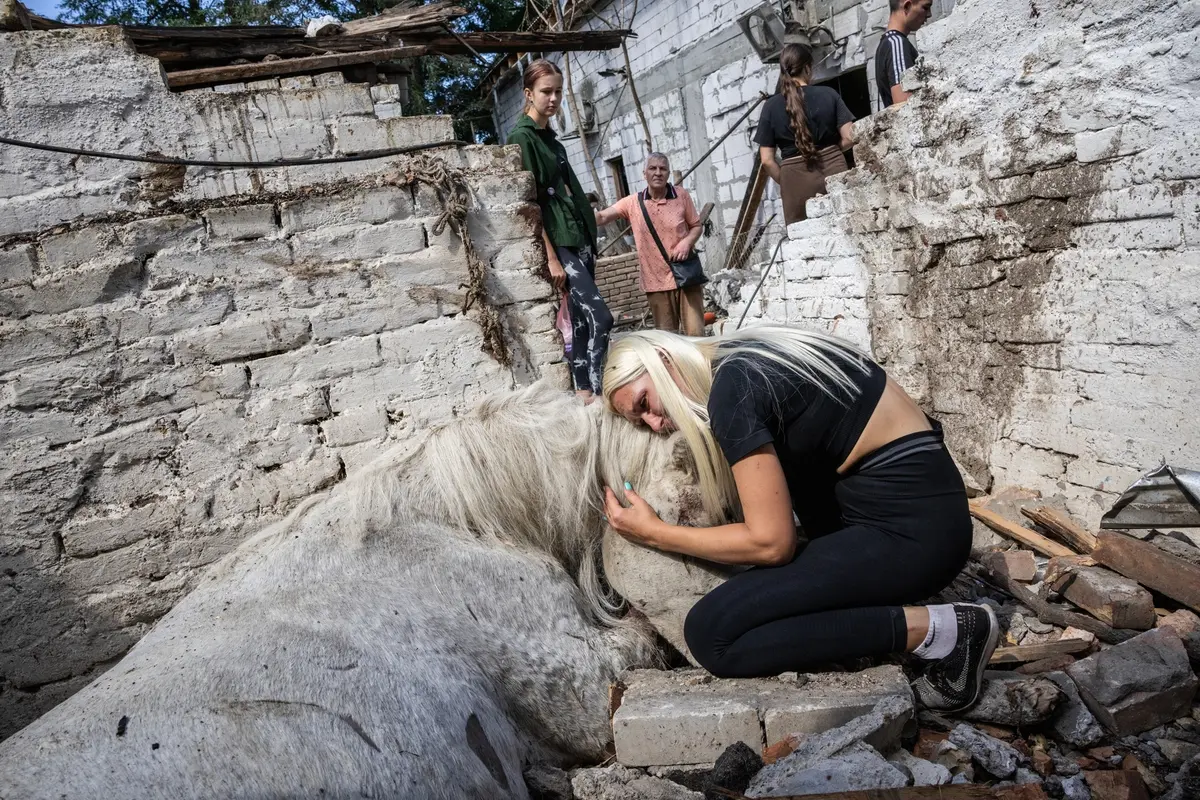
Title: Drone Wars Credit: © David Guttenfelder, The New York Times Caption: Yulia Vasiakina embraces Kamelia, her 20-year-old horse, killed when Russian long-range drones struck their neighborhood and destroyed most of the surrounding city block. Odesa, Ukraine, 11 July 2025. Story: Ukraine’s battle against the Russian invasion is reshaping modern combat. Hobby drones are being repurposed into remote-controlled weapons, and mass-produced first-person-view (FPV) drones are piloted from kilometers away with deadly precision. These developments have triggered an unrelenting drone arms race and turned vast areas of Ukraine into “kill zones”. Civilians are targeted and displaced, and soldiers spend most of their time in underground bunkers or basements, unable to be resupplied or casualty-evacuated. This story documents Ukraine's efforts to advance its drone capabilities, and the impact of Russian drone attacks on civilians.

Eppure, a voler cercare un filo di speranza lo si trova nella volontà collettiva e forse inconsapevole di restituire dignità là dove questa viene calpestata.

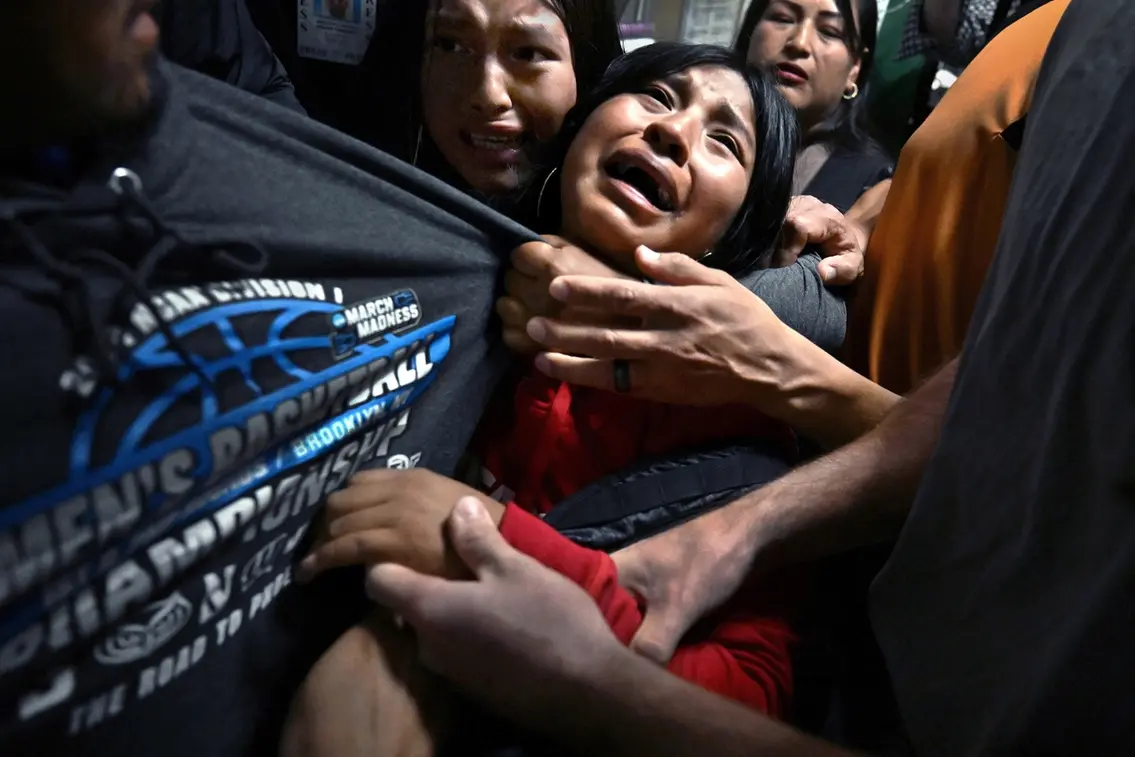
La foto dell’anno è Separated by ICE della statunitense Carol Guzy, pubblicata dal Miami Herald. Lo scatto è stato realizzato il 26 agosto 2025 all’interno dello Jacob K. Javits Federal Building di New York e mostra Luis, migrante ecuadoriano, fermato dagli agenti dell’Immigration and Customs Enforcement dopo un’udienza presso il tribunale per l’immigrazione. Le figlie si aggrappano a lui, sconvolte, mentre il padre viene portato via. La fotografia appartiene a un lavoro più ampio sugli arresti dell’ICE presso il tribunale di New York e documenta quelle che la stessa scheda del premio definisce “separazioni interne”: il confine è un luogo di frattura che si trova ora nel cuore della città, ora nei corridoi di un edificio federale, ora in uno spazio costruito per l’amministrazione della giustizia. che diventa teatro della disgregazione familiare.

«In una democrazia – ha dichiarato Joumana El Zein Khoury, direttrice esecutiva del World Press Photo - la presenza della macchina fotografica in quel corridoio diventa un atto di testimonianza: racconta una politica che ha trasformato i tribunali in luoghi di vite distrutte».
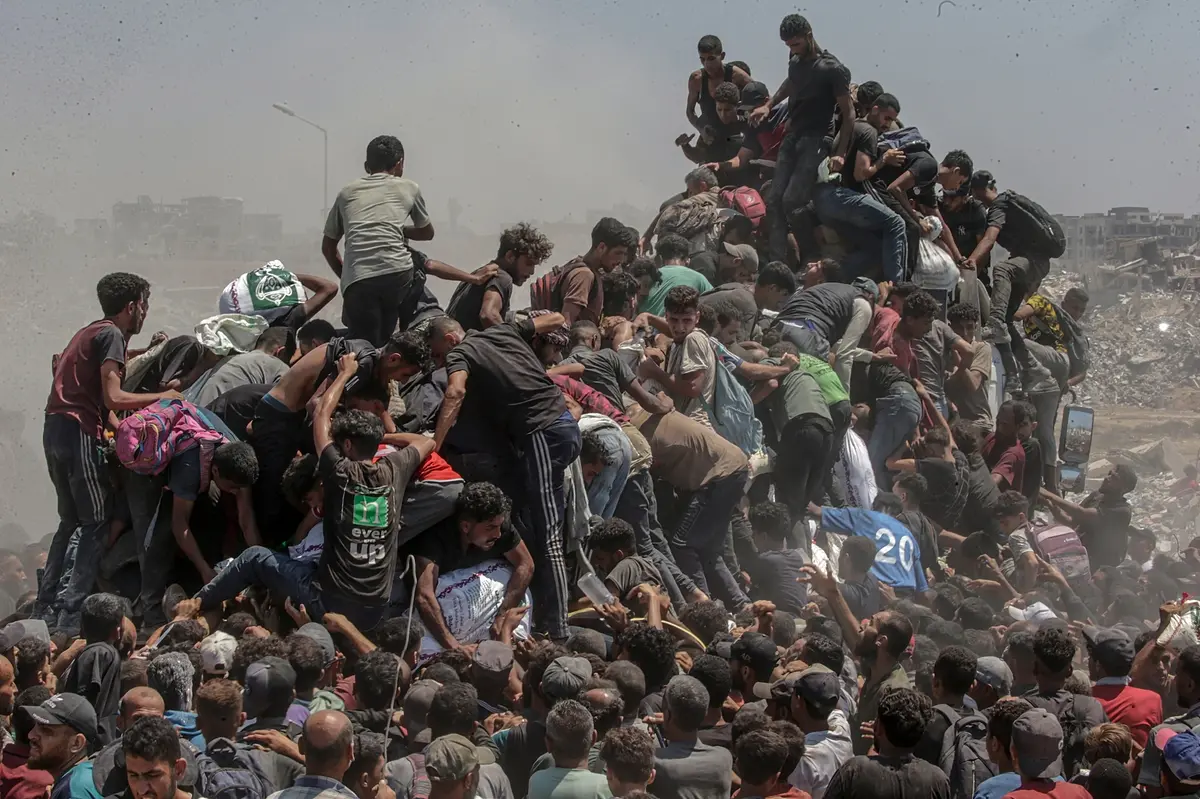
Title: Aid Emergency in Gaza Credit: © Saber Nuraldin, EPA Images Caption: Palestinians climb onto an aid truck as it enters the Gaza Strip via the Zikim Crossing in an attempt to get flour, during what the Israeli military called a “tactical suspension” in operations to allow humanitarian aid through. 27 July 2025. Story: In 2025, famine took hold amid what an independent UN Human Rights Commission inquiry has concluded is a genocide in Gaza. Israel disputes this. Israeli authorities imposed a complete aid blockade in March, a tactic described by humanitarian organizations as the weaponization of starvation. When international pressure led to a partial reopening of crossings in May, most deliveries went through the Gaza Humanitarian Foundation (GHF), established by the US and Israel to bypass the UN-led aid system. Its operation, which put military personnel in charge, was widely condemned by global human rights and legal organizations as unethical and in violation of international law. The UN reports that between late May and early October, at least 2,435 Palestinians were killed seeking food at or near GHF collection points. The GHF shut down when a fragile ceasefire went into effect in October. Despite some aid entering Gaza, more than 75% of the population still faced hunger and malnutrition in December. The photographer was born in Gaza and has documented life there since 1997.
Title: Aid Emergency in Gaza Credit: © Saber Nuraldin, EPA Images Caption: Palestinians climb onto an aid truck as it enters the Gaza Strip via the Zikim Crossing in an attempt to get flour, during what the Israeli military called a “tactical suspension” in operations to allow humanitarian aid through. 27 July 2025. Story: In 2025, famine took hold amid what an independent UN Human Rights Commission inquiry has concluded is a genocide in Gaza. Israel disputes this. Israeli authorities imposed a complete aid blockade in March, a tactic described by humanitarian organizations as the weaponization of starvation. When international pressure led to a partial reopening of crossings in May, most deliveries went through the Gaza Humanitarian Foundation (GHF), established by the US and Israel to bypass the UN-led aid system. Its operation, which put military personnel in charge, was widely condemned by global human rights and legal organizations as unethical and in violation of international law. The UN reports that between late May and early October, at least 2,435 Palestinians were killed seeking food at or near GHF collection points. The GHF shut down when a fragile ceasefire went into effect in October. Despite some aid entering Gaza, more than 75% of the population still faced hunger and malnutrition in December. The photographer was born in Gaza and has documented life there since 1997. (EPA)

Accanto allo scatto vincitore, la giuria ha indicato due finalisti: Humanitarian Emergency in Gaza di Saber Nuraldin, per EPA Images, mostra civili palestinesi che si arrampicano su un camion di aiuti nel tentativo di procurarsi farina. È una fotografia che non ha bisogno di sottolineature.
2025
2025
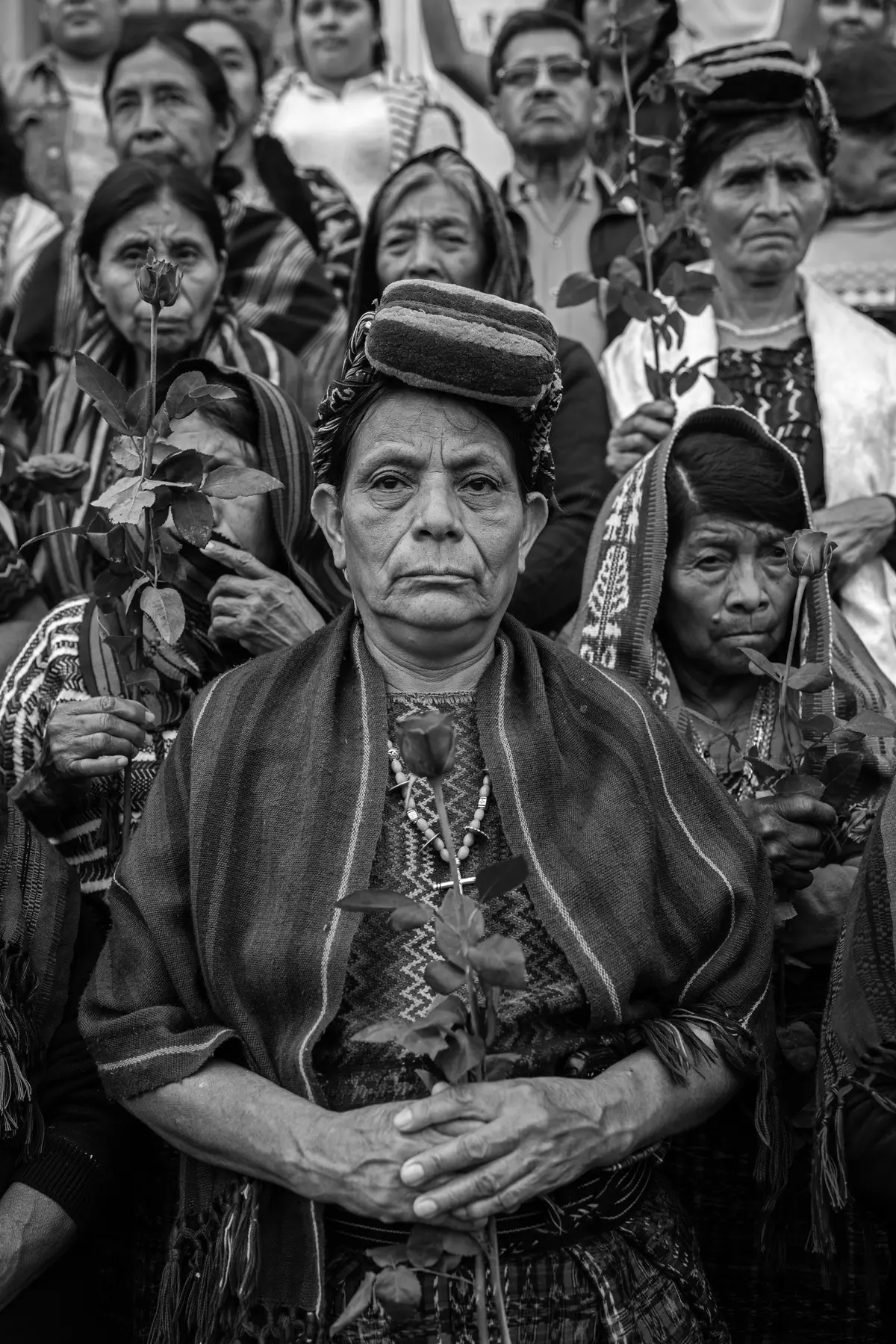
Title: The Trials of the Achi Women Credit: © Victor J. Blue, for The New York Times Magazine Caption: ​​Doña Paulina Ixpatá Alvarado stands with other Achi women outside a Guatemala City court. That afternoon, three ex-civil defense patrollers were found guilty of rape and crimes against humanity and sentenced to 40 years in prison each. Guatemala City, Guatemala, 30 May 2025. Story: For four decades, a group of Indigenous Maya Achi women in Rabinal lived in the same communities as the men who had raped them, sometimes as neighbors. Guatemala’s civil war led to the genocide of thousands of Maya Achi people by the military and local state-backed paramilitary forces, who used sexual violence as a systematic weapon to subjugate Indigenous communities. In 2011, 36 women broke their silence, launching and winning a 14-year legal battle against their abusers. Their collective resilience is transforming a legacy of wartime impunity into a historic victory for justice.

Il secondo finalista è The Trials of the Achi Women di Victor J. Blue, realizzato per The New York Times Magazine. Doña Paulina Ixpatá Alvarado, trattenuta e aggredita per 25 giorni nel 1983, è ritratta fuori da un tribunale a Città del Guatemala il 30 maggio 2025. Quel pomeriggio, tre ex paramilitari sono stati condannati a 40 anni per stupro e crimini contro l'umanità. Nessun pathos facile, nessuna vittimizzazione. L’immagine, come ha sottolienato la giuria, si oppone consapevolmente alle rappresentazioni che ritraggono le sopravvissute alla violenza come soggetti privi di potere. Qui c'è forza, ci sono quarant'anni di resistenza.
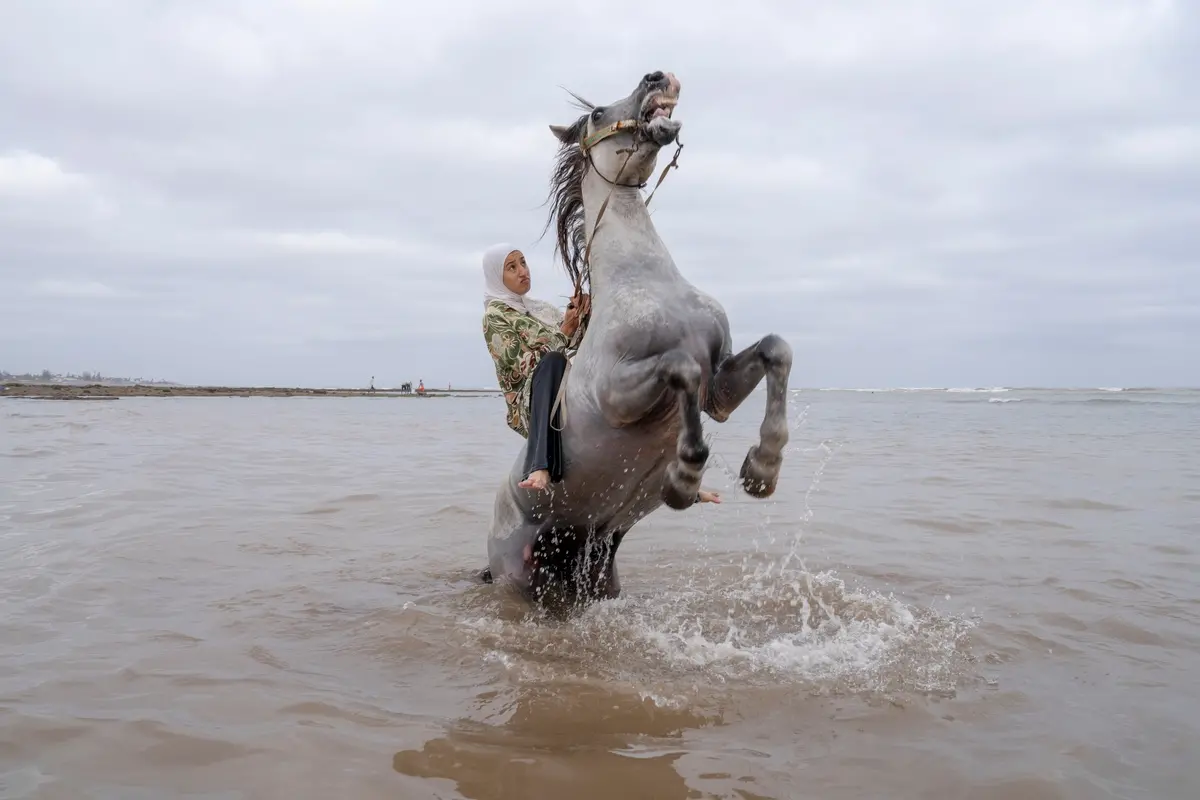
Title: Farīsāt: Gunpowder’s Daughters Credit: © Chantal Pinzi, Panos Pictures Caption: Ghita Jhiate manages her unruly stallion. Long forbidden by her father to participate in Tbourida, she finally realized her dream of riding alongside pioneer Zahia Aboulait in 2025. Sidi Rahal, Morocco, 6 August 2025. Story: Tbourida is a UNESCO-recognized Moroccan equestrian tradition dating back to the 16th century. Troupes gallop in unison, firing rifles in a choreographed performance of cavalry warfare. Historically excluded, female riders have fought for inclusion since Morocco’s 2004 family code reforms strengthened women’s legal rights. Today, seven all-female troupes now ride among some 300. These farīsāt (horsewomen) bear significant personal costs, funding their own horses, costumes, and gunpowder permits. Their perseverance stands as a powerful claim to women’s rightful place in Moroccan cultural heritage.

Tra i progetti premiati c’è anche l’italiana Chantal Pinzi, unica fotografa del nostro Paese tra i vincitori di quest’anno, con Farīsāt: Gunpowder’s Daughters, nella categoria Stories per la regione Africa. Il lavoro racconta le donne marocchine che partecipano alla Tbourida, tradizione equestre storicamente maschile. Le cavallerizze fotografate da Pinzi occupano uno spazio visivo da cui erano state a lungo escluse.
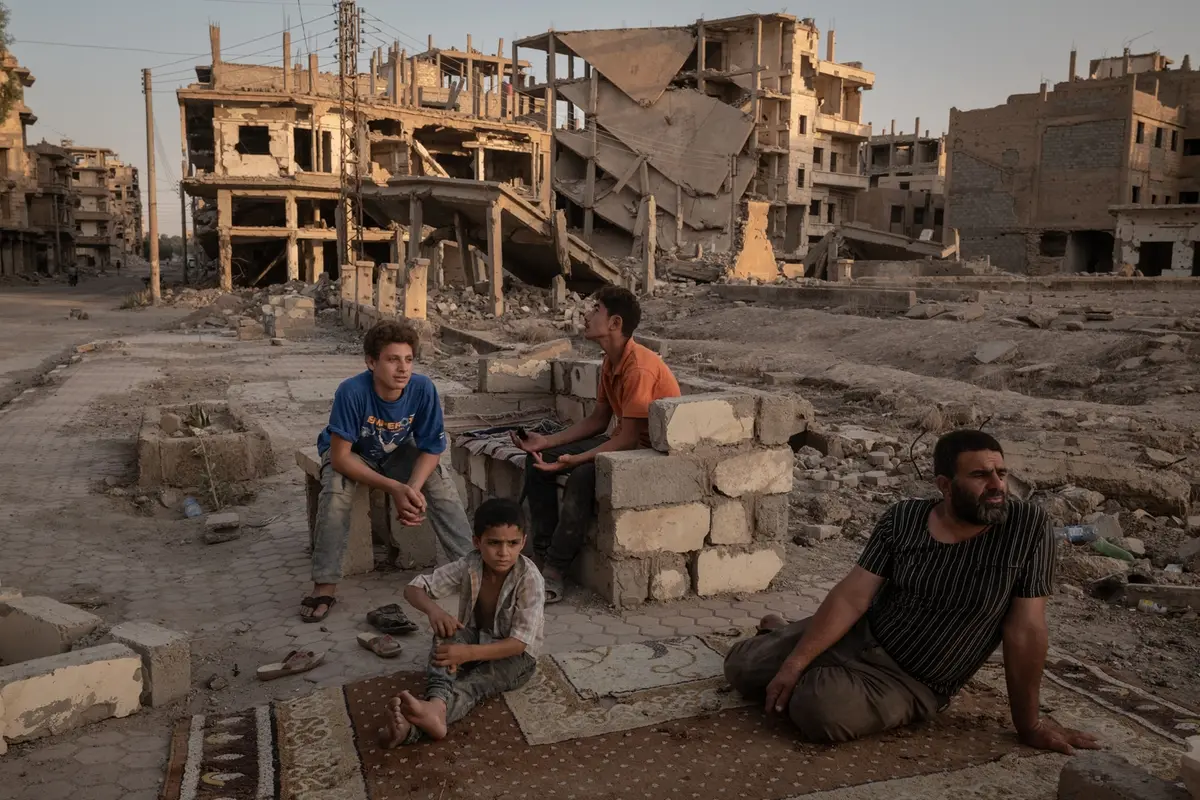
Title: A Syrian City Rebuilds, Still Divided Credit: © Nicole Tung, VII Photo, for The New York Times Caption: Abdelatif Daham Al Hummada (right) sits with his sons and nephew on the street outside their heavily damaged home, where the family often sleeps. 20 August 2025 in Deir al-Zour, Syria. Story: Long neglected by the Syrian state and one of the first cities to rise up in the 2011 revolution, Deir al-Zour endured years of siege, bombardment, and successive occupation by government forces, ISIS, and Kurdish-led fighters. The conflict left around 75% of the city’s infrastructure damaged or destroyed. In 2025, the Euphrates River marked a divide; the government controlled one bank, the Kurdish-led Syrian Democratic Forces (SDF) the other, complicating daily movement, trade, and access to services. For those who remained, and those who returned, rebuilding continued regardless.

World Press Photo, naturalmente, non è mai stato un premio innocente. Per il semplice fatto che nessun processo di selezione lo è, figuriamoci quando si parla di immagini. Negli anni non sono mancate polemiche sul confine tra testimonianza e manipolazione, tra giornalismo e a atto politico. Uno dei casi più discussi resta quello del 2015, quando World Press Photo revocò il primo premio nella categoria Contemporary Issues Stories assegnato a Giovanni Troilo per La Ville Noire – The Dark Heart of Europe. Il progetto, dedicato a Charleroi, fu contestato dal sindaco della città e da diversi fotografi per una rappresentazione giudicata distorta e troppo costruita. La revoca arrivò dopo la scoperta che una delle immagini, presentata come scattata a Charleroi, era stata in realtà realizzata a Molenbeek, Bruxelles: un errore di localizzazione che, secondo World Press Photo, forniva un’informazione fuorviante e violava le regole del concorso. Ma anche senza manipolazioni o errori così grossolani le polemiche sono all’ordine del giorno ed è facile supporre accompagneranno lo scatto vincitore, in un’America come quella attuale profondamente spaccata sulla questione dell'immigrazione.
Diego Ibarra Sánchez www.diegoibarra.com
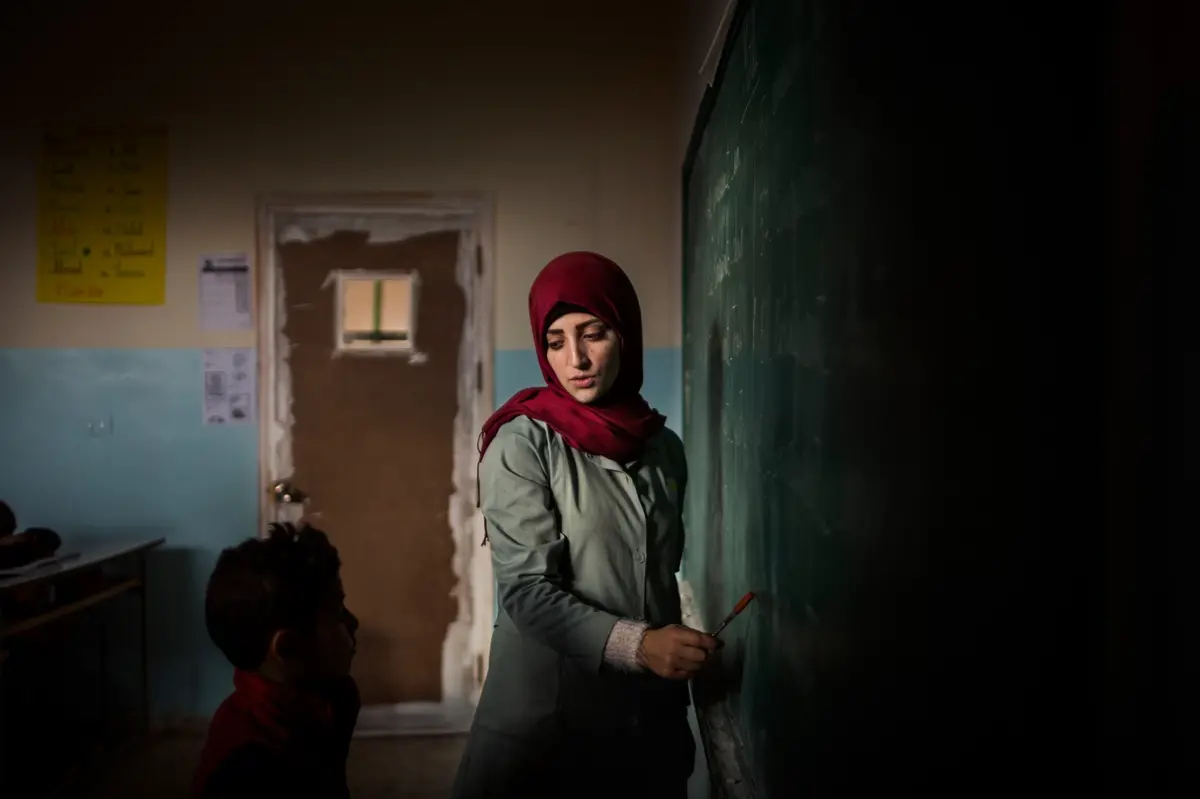
Title: Hijacked Education Credit: © Diego Ibarra Sánchez Caption: A young Syrian refugee attends a class on the outskirts of Arsal. Limited resources, residency issues, and work restrictions on parents deny many refugee children access to education. Lebanon, 31 October 2017 Story: Across the world, war, extremism, and displacement deny children the right to education. Schools are destroyed, teachers killed or forced to relocate, textbooks burned, and classrooms turned into barracks. The UN estimates that 85 million of the 234 million school-age children affected by conflict worldwide have no access to education at all. The consequences extend far beyond the classroom, impacting physical, emotional, social, and cognitive development. Since 2011, the photographer – son of a teacher and father of an 11-year-old – has documented this crisis across nine countries, from Western and South Asia, to Europe and South America.

Sono controversie che non indeboliscono necessariamente World Press Photo. Semmai ne rivelano la delicatezza. Il fotogiornalismo è chiamato a giustificare continuamente sé stesso, il proprio statuto etico e professionale. La stessa fondazione ha reso pubblici negli anni criteri e procedure sulla manipolazione, distinguendo tra interventi accettabili di lavorazione e alterazioni materiali del contenuto, considerate incompatibili con l’immagine giornalistica.
Pur con i suoi limiti, il premio conserva la sua importanza nel dirci quali immagini il mondo produce di sé stesso, quali tra queste riescano a imporsi, quali restino ai margini.

Quello che l’edizione 2026 ci restituisce è dominato dalla violenza e dalla sopraffazione, ma a imporsi è soprattutto la forza della dignità. E di quelle fotografie che, senza più pretendere di afferrare la verità, ci impongono almeno di continuare a guardare.